VII Balkan Conference
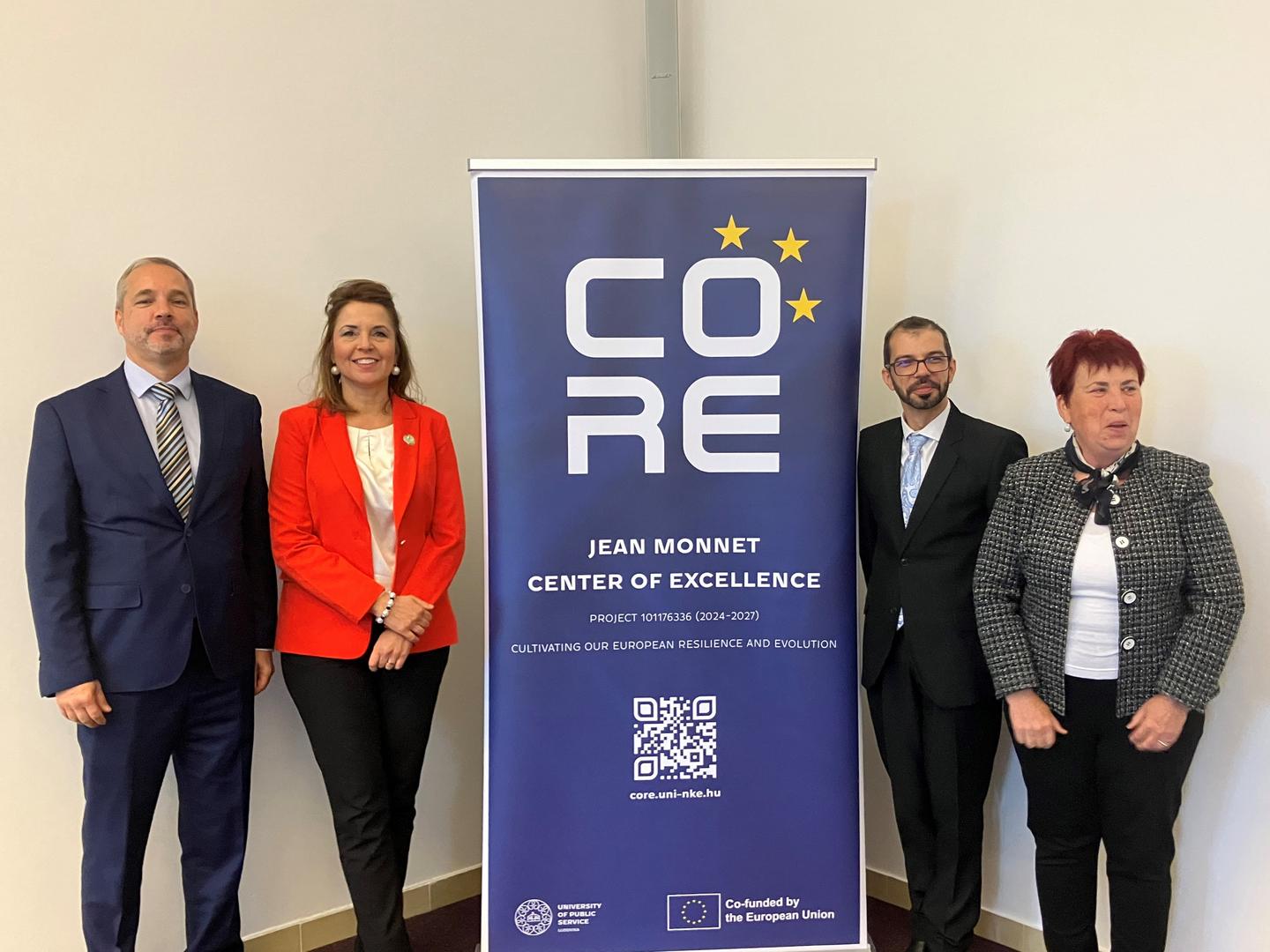
Co-organised by the Faculty of Public Governance and International Studies (FPGIS) and the Jean Monnet Centre of Excellence, the VII. Balkan Conference, held at the Ludovika University of Public Service (LUPS) Ludovika Campus on 14 November 2025, brought together leading academics, policymakers, and regional experts to address one of Europe’s most pressing questions: Where is the Western Balkans heading?
Opening remarks were delivered by Dr. Péter Krisztián Zachar, Vice-Dean for International Affairs at FPGIS, who stressed the importance of academic cooperation in addressing regional volatility. The plenary session featured Maja Handjiska-Trendafilova, Director of ReSPA, and Gellért Horváth, Head of Department at Hungary’s Ministry of Foreign Affairs and Trade, discussing the evolving EU enlargement agenda and governance reforms.
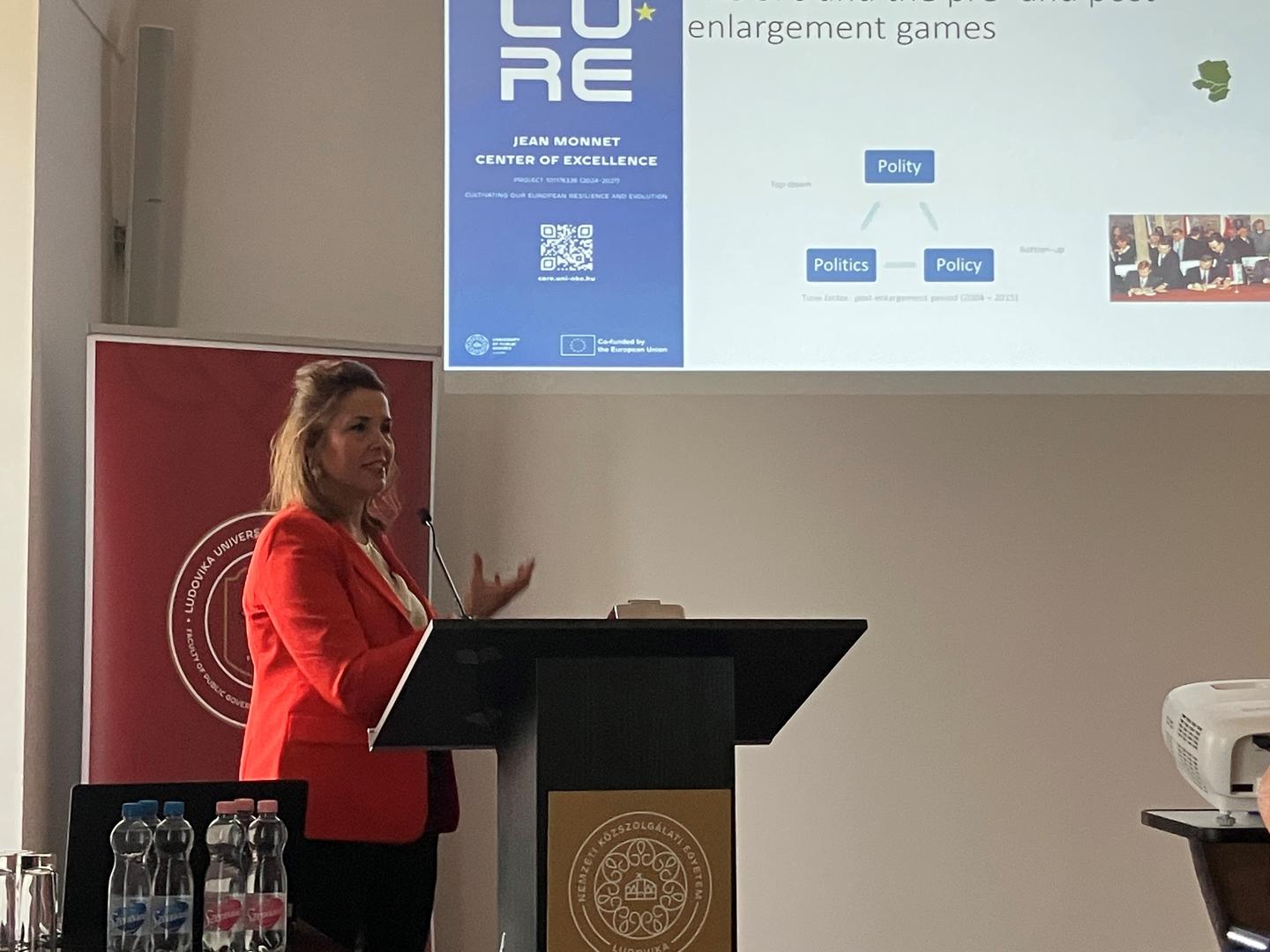
A highlight of the first thematic section was the presentation by Professor Boglárka Koller, Head of the Jean Monnet Centre of Excellence and Chair of the Department of European Studies at LUPS. Her lecture, “The Western Balkans and the Future of EU Enlargement: Insights from the Visegrad Group, 2014–2025”, examined the shifting dynamics of enlargement policy in light of geopolitical upheavals. "The Russian aggression triggered another development in EU enlargement, which had been on hold for years. The swift granting of candidate status to Ukraine and Moldova put the Western Balkans back in the spotlight,” Koller noted. She emphasized that the EU’s new methodology prioritizes fundamentals such as the rule of law and democratic institutions: “How can the EU maintain credibility and deliver on the promise of accession when almost all candidates face stalled negotiations due to rule of law criteria?” Her research, grounded in Europeanisation theory and process-tracing, explored whether the Visegrad Group’s cooperation is reviving or remains frozen amid these challenges.
Subsequent sections addressed diverse issues, including ethnic relations in North Macedonia, Bosnia-Herzegovina’s integration challenges, sustainable energy cooperation, and migration trends. Discussions revealed the interplay between domestic reforms and external pressures, highlighting the need for coordinated regional strategies.
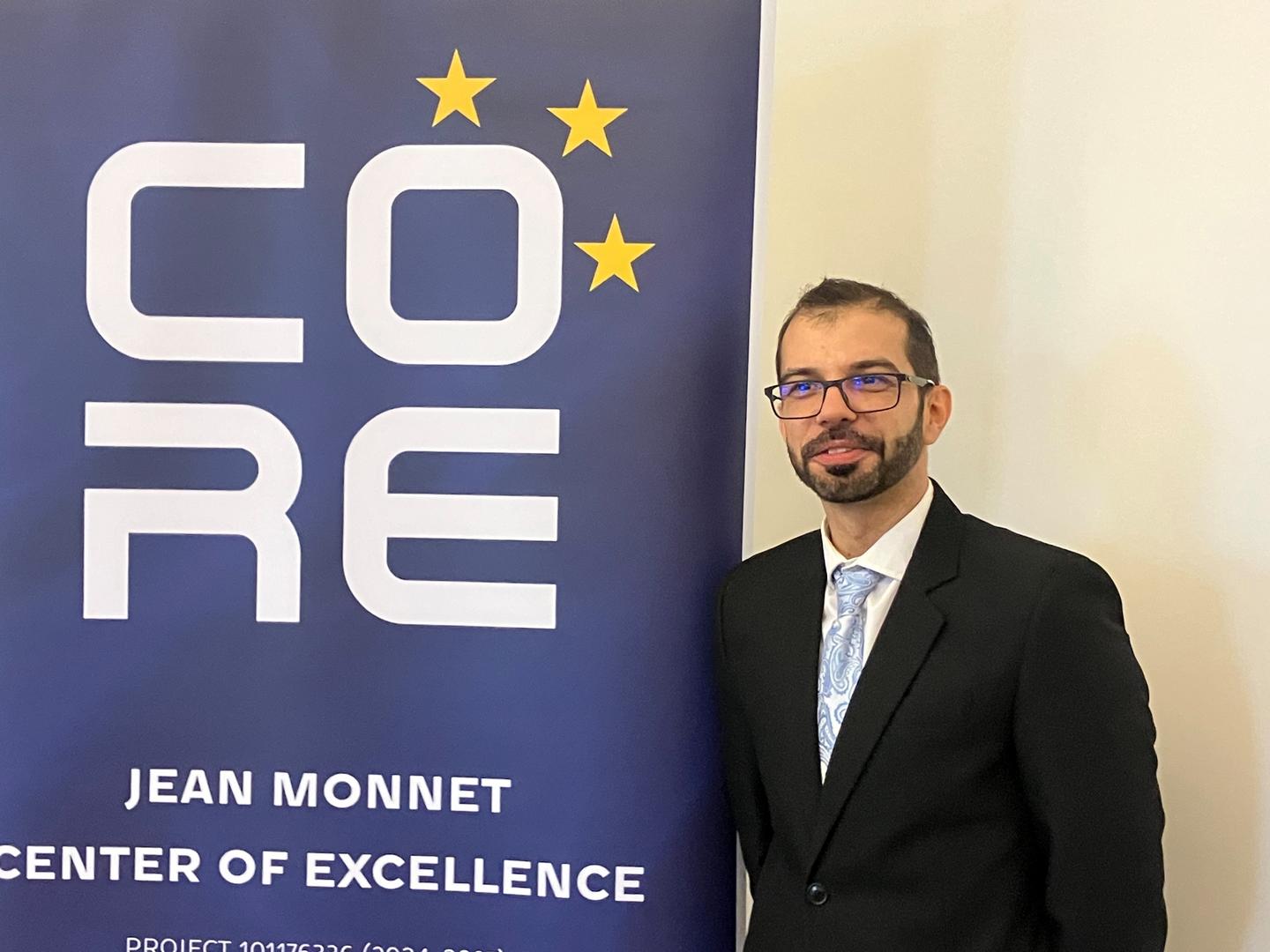
The success of the event reflected the strong collaboration between FPGIS and the CORE academic team. Special recognition goes to Dr. Tibor Ördögh, who served as a key organizer and chaired the final section on geopolitical and security challenges. His dual role as a CORE team member ensured that the conference aligned with the project’s mission to strengthen European resilience.
As the Western Balkans remain at the crossroads of EU enlargement and regional security, the VII. Balkan Conference reaffirmed the importance of scholarly engagement and policy dialogue. By convening experts and decision-makers, the event contributed to a deeper understanding of the region’s complexities and the pathways toward sustainable stability.